
Coiba Beaches You Must Visit in 2027

Coiba is the largest island in the Pacific of Central America, and the national park around it adds 38 islands and more than 100 islets. That means a lot of sand, and most of it with nobody on it. These are the Coiba beaches we keep coming back to, and what makes each one worth the boat ride.
The Coiba Beaches to Put on Your List

1 · Isla Coco
White sand between two islands, Coco Grande and Coco Pequeña, and a rocky reef with hard corals 1 to 6 meters deep right off the beach. Hawksbill turtles, king angelfish, parrotfish and puffers. A scenic study of the park’s beaches by the Estación Científica Coiba AIP rated it the most beautiful in Coiba. More about Isla Coco ↗
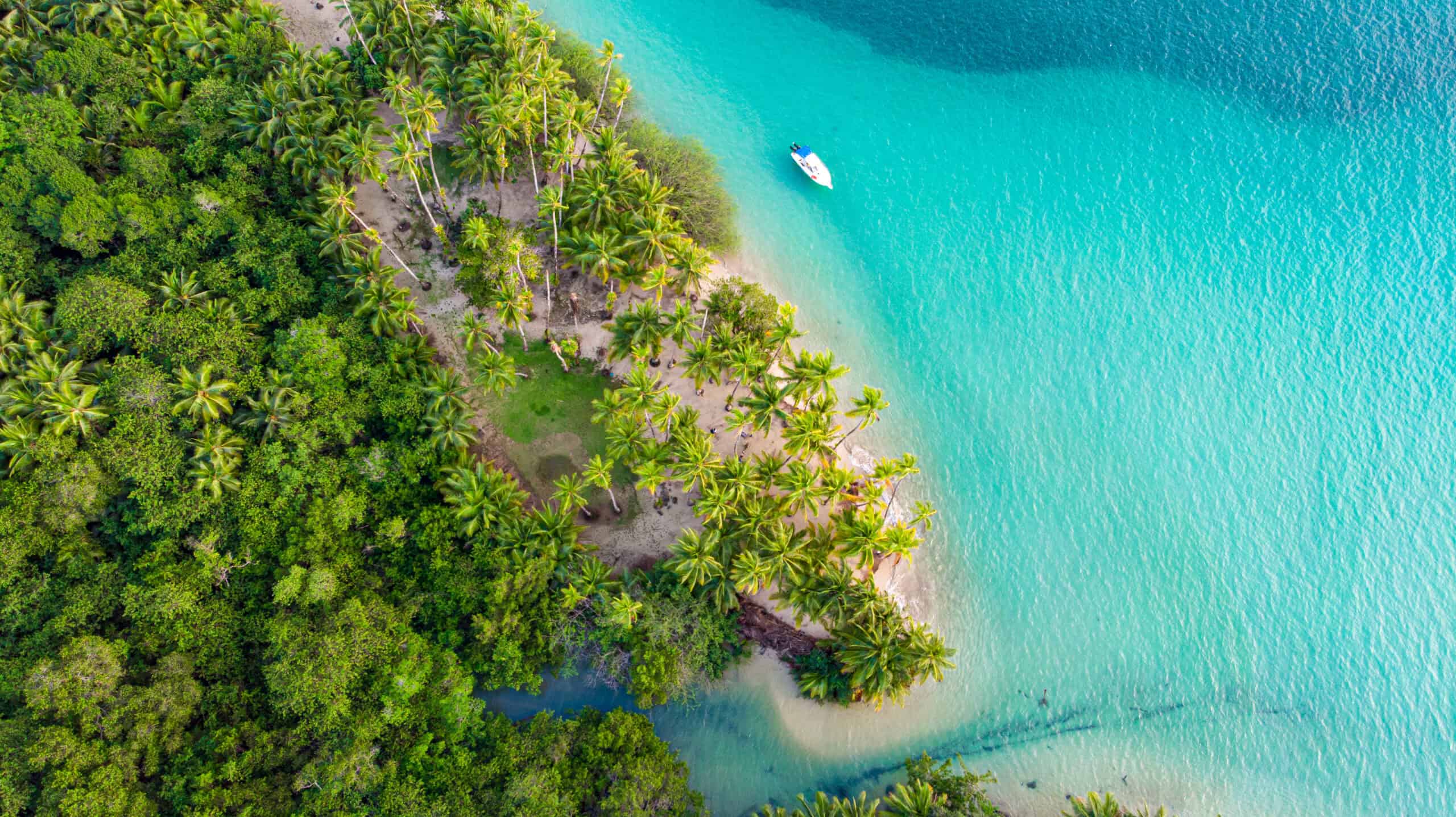 Photo: Javier Pinzón
2 · Rancheria (Coibita)
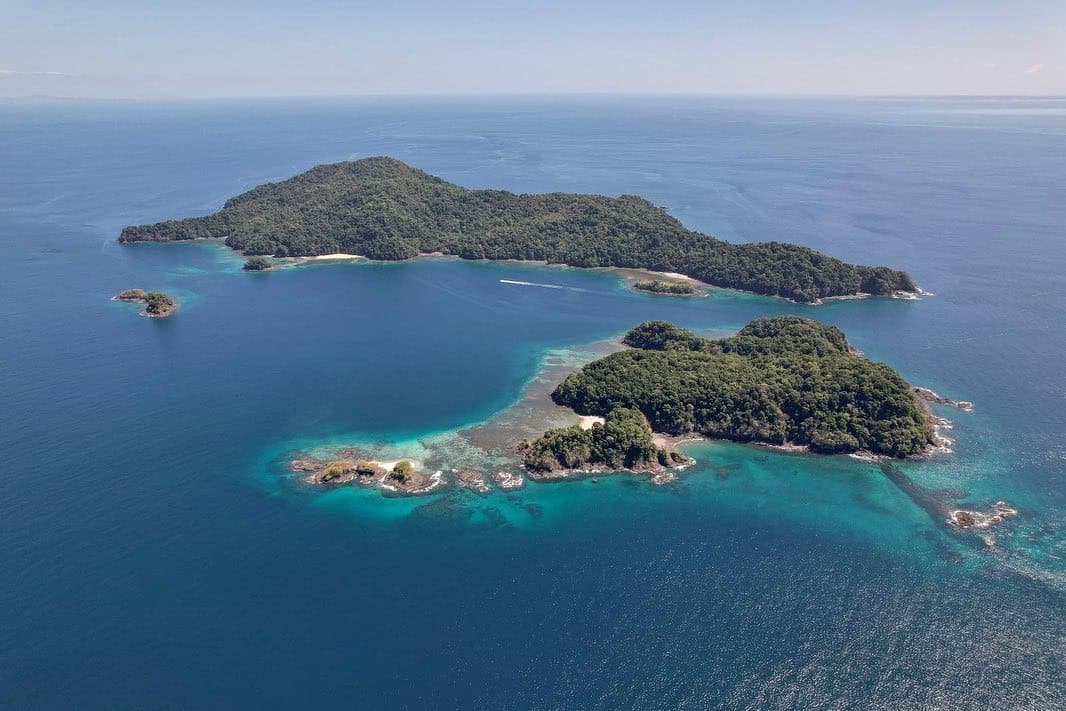
A calm, sheltered beach with a small coral islet in front, good for beginners and kids. Sea turtles and rays cruise the shallows, and it is one of our favorite spots for a beach BBQ. The full Rancheria guide ↗
3 · Canales de Afuera
A cluster of islands with shallow coral gardens and rocky points, where Canalita and Punta Deseo are favorite stops. Colorful reef fish, sea turtles and, now and then, a white-tip reef shark resting on the sand.

4 · Playa Gambute (Ranger Station)
Also known as the Ranger Station, or La 12: in the penal colony years it was Camp 12. Today it is where the park checks your permit, and where two trails start: Mirador Cocos and Cerro Gambute, about 45 minutes each way. Capuchin monkeys and scarlet macaws live in the forest behind the sand. It is also where you will hear the story of Tito, the crocodile ↗.

5 · Playa Tortuga (Rancheria)
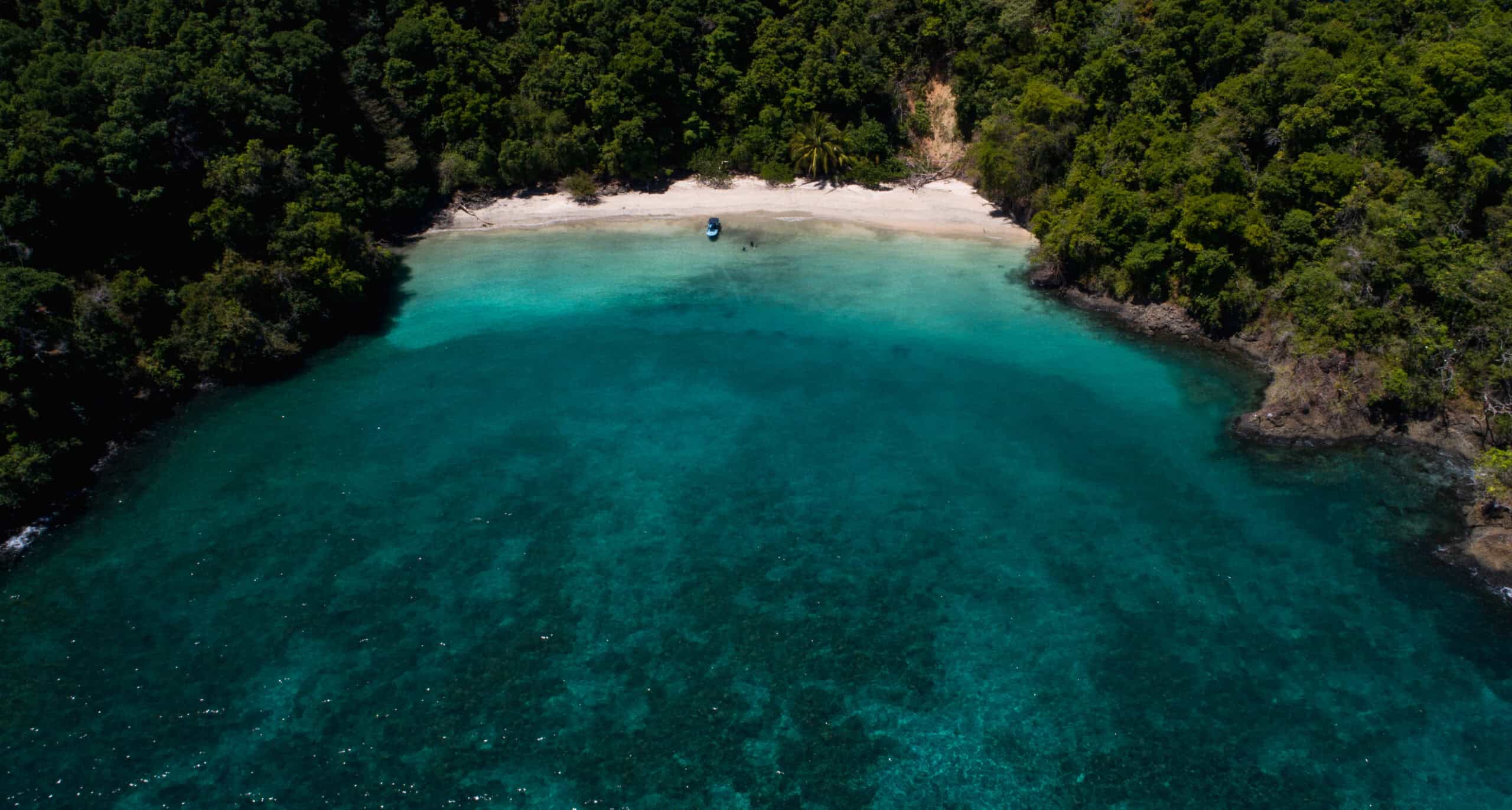
On Rancheria Island, and usually deserted: the one that isn’t on any list. Depending on the tide and the wind, your captain picks a beach with nobody else on it. We almost always find one, and it is often the moment people remember most.
6 · Golden Hour (2 days)
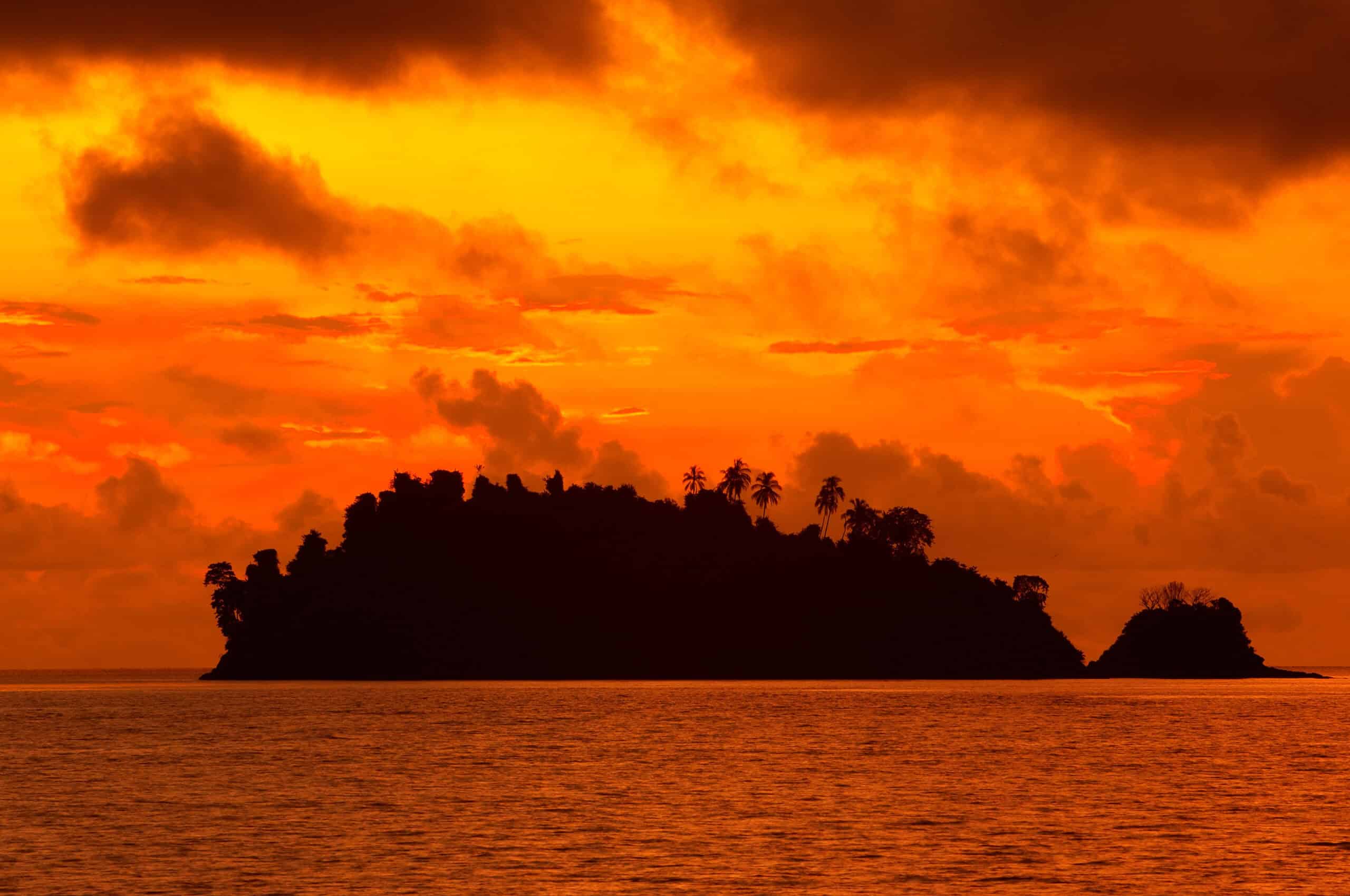
Day trips head back before the light turns gold. On our Coiba 2-Day Tour you are still close to the park at sunset, with the night at Bahia Honda or on Isla Simca, a private island with a rocky coast, jungle trails and kayaks.
A Famous Name Worth Knowing: Granito de Oro
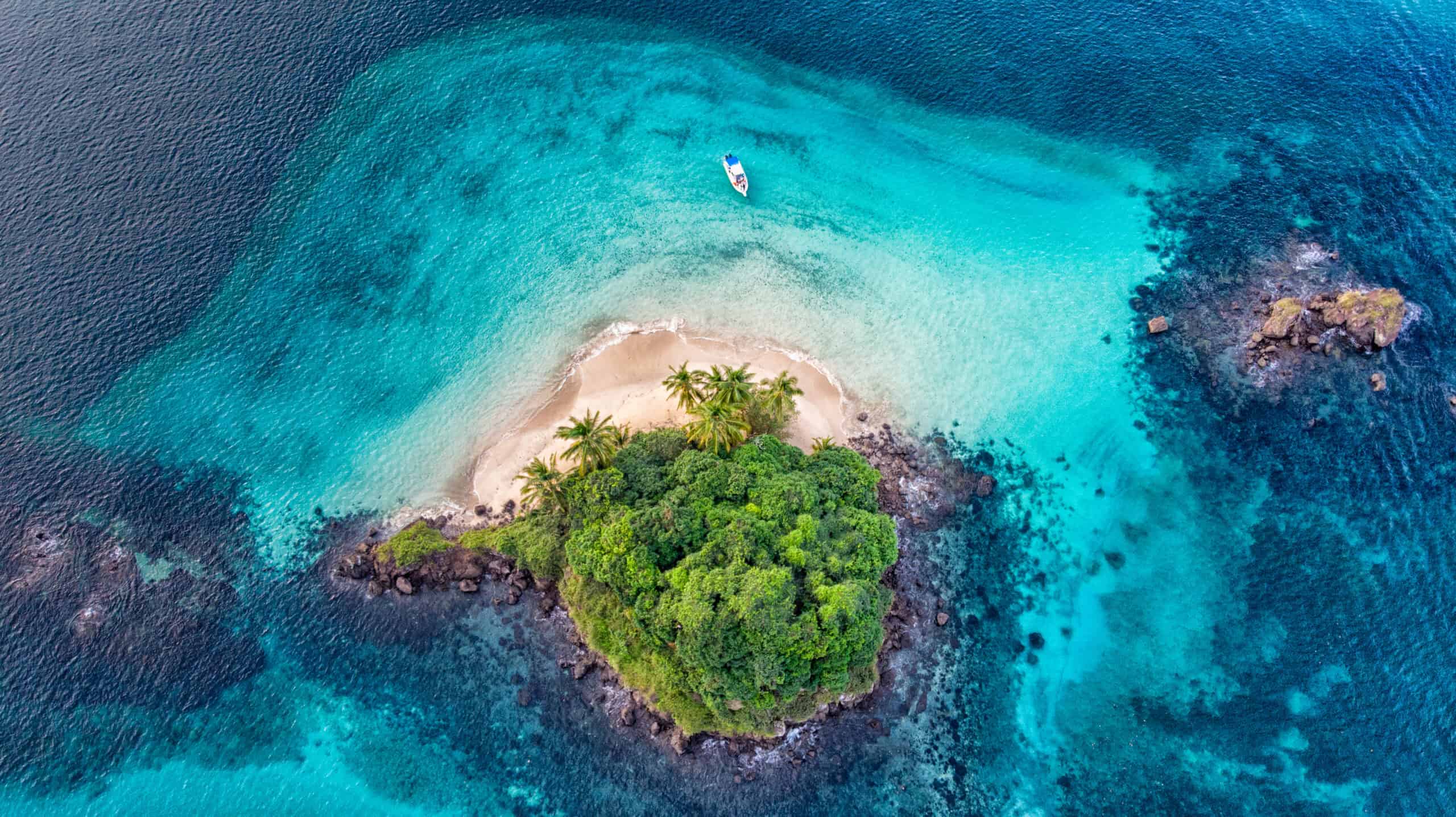
You will see Granito de Oro in almost every photo of Coiba: a tiny islet of white sand and a few palm trees that made the park famous. Read its story before you go, so you know why it became the symbol of Coiba.
What You Do on Coiba’s Beaches
- Snorkel straight from the sand. Many beaches sit next to some of the park’s 33 diving and snorkel sites. Snorkel gear and Deepboards are on our boat.
- Paddle. Ask for SUP boards, at no extra cost.
- Eat on the sand. Add a beach BBQ, from $10 per person, or bring your own cuts and we grill them for free.
- Walk. At the ranger station, the trails take you into the forest.
- Do nothing. The boat is yours, so nobody rushes you.
When to Go
The dry season, from December to April, and the months of September and October usually bring the calmest water and the clearest snorkeling. The currents still decide the day, and your captain may change the order of the beaches to find the best conditions. Mornings are the calmest time on the water. From July to October, you may also meet humpback whales on the way.
One Day or Two?
Private Coiba Island tour · $950 per boat
Island hopping for a full day: two or three of these beaches, snorkeling and the ranger station, for up to 6 people.
Coiba 2-day tour · $1,700 per boat
More beaches, the far islands and a night at Bahia Honda or Isla Simca.
Want the bigger picture of the park? Read what to see in Coiba, plan the road with how to get to Coiba and check Coiba Island prices.
Who Takes You There
Travel Coiba is a brand of Pacific Adventure Tours, Inc., a Panamanian tour operator licensed by the Panama Tourism Authority (ATP 0520-22051). Pacific’s captains and guides have been exploring Coiba and the Veraguas coast for more than 15 years, and they run every Travel Coiba trip to these beaches.
Check Your Date
Tell us your date and group size and we confirm availability the same day.
Ask on WhatsAppUse the contact formFrequently Asked Questions
What are the best beaches in Coiba?
Isla Coco, Rancheria and its quiet Playa Tortuga, the islands of Canales de Afuera and Playa Gambute at the ranger station are the ones we visit most. On a private tour, your captain also finds a beach with nobody else on it.
How do you get to Coiba’s beaches?
Only by boat. Our private Coiba Island tour costs $950 per boat for up to 6 people and leaves from El Bongo or Santa Catalina.
Can you snorkel from the beaches in Coiba?
Yes. Many beaches sit next to some of the park’s 33 diving and snorkel sites, like the reef at Isla Coco. Snorkel gear is on our boat.
When is the best time to visit Coiba’s beaches?
The dry season, from December to April, and September and October usually have the calmest water. Mornings are the calmest time of day.
Can you stay overnight on a beach in Coiba?
Coiba has no hotels for visitors. On our 2-day tour you spend the night next to the park, at Bahia Honda or on Isla Simca, a private island with a rocky coast, jungle trails and kayaks.
Travel Coiba is a brand of Pacific Adventure Tours, Inc., licensed tour operator (ATP 0520-22051), El Bongo, Veraguas, Panama.